Sports Economy
Inside Atlético Madrid's Billion-Euro Revolution
Atlético Madrid, Apollo Sports Capital, Apollo Global Management, Spanish football, La Liga, ownership deal, private equity, American investment, European football, billion-euro deal, Metropolitano Stadium, Ciudad del Deporte, sports investment, Miguel Ángel Gil Marín, Enrique Cerezo, Al Tylis, Sam Porter, infrastructure development, stadium complex, football finance, club valuation, majority ownership, strategic investment, sports business, Wall Street, asset management, transfer market, commercial revenue, global expansion, football ownership, US investors, Spanish club, Madrid football, Champions League, squad investment, sports entertainment, real estate development, broadcasting rights, sports portfolio, financial powerhouse, club transformation, institutional continuity, competitive growth, brand expansion, sports capital, investment fund, long-term strategy, football economics, sports industry, emerging markets, international destination, sports complex, modern football, ownership structure, financial backing, club modernization, European leagues, football business, sports management

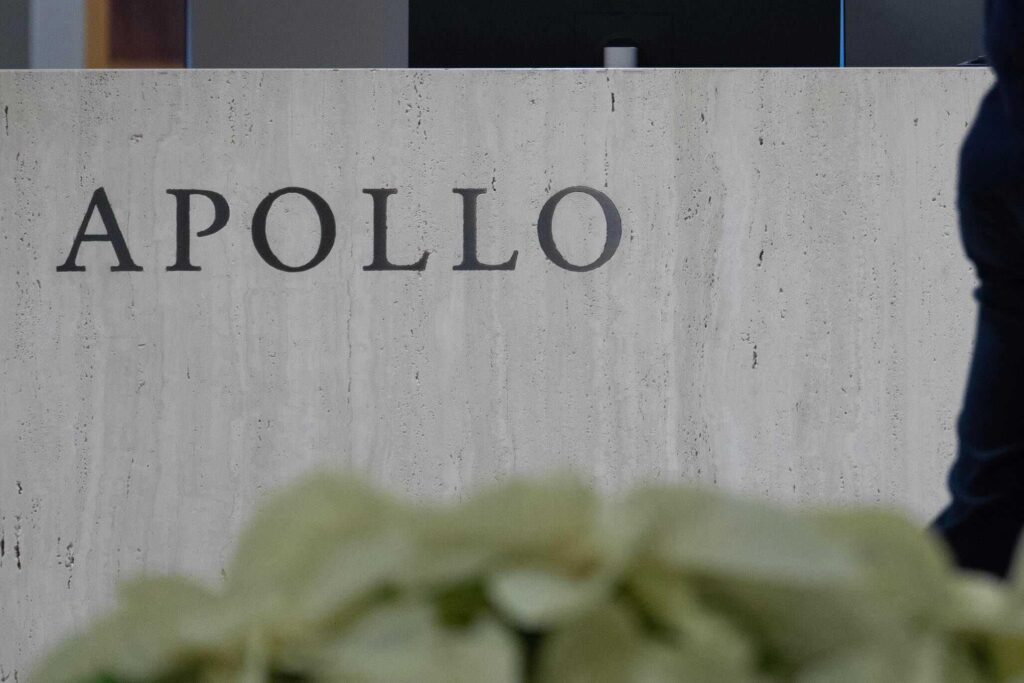
The late autumn sun cast long shadows across the Metropolitano Stadium on November 10, 2025, as Atlético Madrid stood at the precipice of transformation. Apollo Sports Capital emerged from the boardroom as the club's new majority owner, armed with a €1.35 billion investment and a vision that extends far beyond the pitch.
The deal, set to conclude in early 2026, grants Apollo controlling interest with 55% of the club's shares while valuing one of Spanish football's most storied institutions at €2.5 billion. But this transaction represents far more than a mere change of hands, it signals the arrival of global financial muscle with ambitions to reshape Atlético's destiny.
The New Guard
Apollo Sports Capital may be just two months old, but its pedigree runs deep. As the sports investment arm of Apollo Global Management, a Wall Street titan founded in 1990, the fund arrives with decades of asset management expertise spanning real estate, technology, and increasingly, the lucrative intersection of sports and entertainment.
This marks Apollo's boldest foray into the sports world yet. The fund's portfolio already stretches from tennis tournaments to broadcasting rights across Latin America, with ownership stakes that include English Premier League side Nottingham Forest. Atlético Madrid, however, represents the crown jewel, a sleeping giant in one of Europe's most competitive leagues.

Architects of Ambition
At the helm stands Al Tylis, an American entrepreneur whose journey began in Ukraine before his family emigrated when he was a child. Tylis brings a diverse sports investment portfolio that spans Latin American football clubs, e-sports ventures, and even pickleball, the rapidly expanding racquet sport captivating American audiences.
Complementing Tylis is Sam Porter, appointed director of strategy, whose financial acumen balances the leadership team's sports expertise. Together, they form a partnership designed to navigate both the emotional landscape of football and the cold calculus of global investment.

Building an Empire
Apollo's €1.35 billion commitment transcends traditional ownership models. The investment blueprint prioritizes two parallel tracks: immediate squad reinforcement and transformative infrastructure development.
The centerpiece of this vision is the Ciudad del Deporte, an ambitious sports and entertainment complex radiating from the Metropolitano Stadium. Conceived as an international destination drawing fans and athletes from across the globe, the project embodies Atlético's aspirations to compete not just on the field, but as a commercial force.
With cost projections approaching €800 million, the development represents a collaborative effort. Apollo's capital injection will combine with club resources and local government support, creating a financial foundation capable of sustaining Atlético's evolution over the coming decades.
The American Wave
Atlético's transformation mirrors a seismic shift reshaping European football. American private equity has discovered what European fans have known for generations: football clubs represent more than sporting institutions, they are cultural touchstones with global resonance and untapped commercial potential.
From Roman Abramovich's departure from Chelsea to the Glazers' controversial tenure at Manchester United, from Qatar's investment in PSG to the birth of Inter Miami under David Beckham's ownership group, American capital is rewriting the economics of the beautiful game.
These investors view European clubs through a different lens than traditional owners. Where family dynasties saw legacy and local pride, Wall Street sees scalable assets with steady returns and significant appreciation potential. The model thrives on long-term growth, expanding commercial revenue streams, and leveraging global brand recognition in emerging markets.

Continuity Meets Capital
Amid this revolution, Atlético has preserved something crucial: institutional memory. CEO Miguel Ángel Gil Marín and President Enrique Cerezo remain at the helm, providing continuity as new capital flows through the organization. This delicate balance, fresh investment married to experienced stewardship, aims to accelerate Atlético's trajectory without sacrificing the club's identity.
The arrangement reflects a calculated bet: that financial firepower combined with football expertise can propel Atlético from perennial contender to sustained powerhouse, capable of challenging Barcelona and Real Madrid's domestic dominance while mounting serious Champions League campaigns.

The Road Ahead
As Apollo Sports Capital assumes control, Atlético Madrid stands transformed. The club that Diego Simeone molded into defensive masters and giant-killers now possesses resources to compete on every front, from transfer markets to commercial partnerships.
The Metropolitano, once merely a stadium, will evolve into a destination. The squad, already competitive, will receive the investment necessary to sustain excellence. The brand, traditionally overshadowed by Madrid's glamorous rivals, will expand into new territories and demographics.
Whether this bold experiment succeeds remains uncertain. Football history is littered with ambitious ownership projects that promised transformation but delivered disappointment. Yet Apollo's combination of financial muscle, strategic expertise, and respect for existing leadership offers genuine cause for optimism.
For Atlético Madrid, the future has arrived, bankrolled by American billions and driven by global ambitions. The question is no longer whether the club can compete with Europe's elite, but how quickly it can ascend to join them permanently.
All image rights credited to Getty Images, access their website below:
https://www.gettyimages.com/
