Sports and Media
Mourinho's Benfica: Renaissance or Reckoning?
Benfica SL Benfica Lisbon Mourinho Jose Mourinho Football Portuguese Football Primeira Liga Sudakov Richard Rios Lukebakio Pavlidis Grimaldo Bayer Leverkusen Bruno Lage Champions League The Special One Lisboa Futebol Português José Mourinho

Few returns in football carry as much emotional weight and expectation as José Mourinho's homecoming to Benfica. The Portuguese giant, caught in a whirlwind of managerial upheaval, presidential elections, and European disappointment, turned to their prodigal son in a desperate bid to restore order and glory. But Mourinho arrived not as a conquering hero; he came fresh from his own failure at Fenerbahce, carrying questions rather than answers. What has unfolded since is a story of transformation, tactical reinvention, and a club attempting to find its identity while the ground shifts beneath its feet. As Benfica prepares to face Bayer Leverkusen in tomorrow's Champions League clash, the questions remain: Can Mourinho's methods stabilize a fractured institution? And can this Benfica side truly compete at Europe's highest level?
A Season of False Starts
Benfica's 2025/26 campaign began with the kind of optimism that would prove dangerously premature. The signings of players like Richard Rios, Enzo Barranechea, Dahl, Dediç, or Sudakov to replace the departures of Alvaro Carreras, Orkun Kokçu, or Akturkoglu marked another significant change to Benfica's squad. This trend persists as many players have been coming and going out of the club in the last few years, making the team one of the most pivotal places to play for in Europe. All of this gave high hopes for this season's start as Benfica invested approximately 130 million euros, a club and country record.
Yet football's cruel nature revealed itself swiftly. Despite the various clean sheets and lack of goals suffered, the team lacked cohesion and strength to attack, undermining this summer's investment. The poor performances culminated once Benfica lost to an Azerbaidjan side, Qarabag, the first win of the Caucasian club in Champions League, in their first ever participation. Bruno Lage would then be sacked in the morning following the fixture. Inconsistency became the defining characteristic of Lage's tenure, and pressure from the upcoming election made it a clear solution for the club's president: Rui Costa.

Political Storms and Sporting Consequences
The managerial carousel wasn't spinning in isolation. Behind the scenes, Benfica's presidential elections had transformed the club into a political battlefield, introducing layers of uncertainty that seeped into every corner of the organization. Key figures maneuvered for power, such as former president Luis Felipe Vieira or former candidate João Noronha Lopes, as their campaigns creating distractions that pulled focus away from the pitch.
The impact was tangible. Players and staff reportedly felt the tension, with morale suffering under the weight of institutional instability. President Rui Costa found his future intertwined with electoral politics, while contract negotiations and transfer policies became hostages to the campaign calendar. In this environment, sporting performance couldn't help but suffer. How could players concentrate on tactics when the club's very direction remained unresolved?

From Istanbul Disappointment to Lisbon Redemption?
Enter José Mourinho, but not in the triumphant manner his legacy might suggest. The Special One arrived at Benfica carrying baggage from his Fenerbahce tenure, which had ended in August 2025 with his dismissal following the Turkish club's failure to reach the Champions League group stage. The bitter irony? Benfica themselves had eliminated Fenerbahce in the playoffs, adding a complicated subplot to Mourinho's potential return.
This recent failure cast shadows, but it also created an intriguing narrative: could Mourinho, wounded and determined to prove his doubters wrong, channel that hunger into revitalizing the club where his managerial journey began? The appointment announcement, delivered at the Benfica Campus in Seixal, reflected this complexity. Mourinho acknowledged the emotional resonance of his homecoming but deliberately tempered celebrations, emphasizing that work, not sentiment, would define his tenure.
President Rui Costa framed the appointment as a statement of ambition, bringing in a global footballing figure uniquely positioned to restore Benfica's domestic dominance and European credibility. The two-year contract, however, couldn't escape speculation given the looming elections, leaving questions about whether Mourinho's project would receive the stability necessary to flourish.
The Tactical Revolution
Whatever uncertainties surrounded the appointment, Mourinho wasted no time implementing his vision. The tactical transformation was immediate and comprehensive, reintroducing the defensive solidity that has defined his career while preserving attacking creativity. His preferred systems, oscillating between 4-3-3 and 4-2-3-1 formations, prioritized defensive compactness without sacrificing offensive ambition.
The approach exploited Benfica's strengths intelligently. Fullbacks became crucial offensive weapons, while wingers like Lukevakio and Sudakov were empowered to dictate tempo and create overloads. Perhaps most impressively, Mourinho demonstrated his legendary adaptability through halftime adjustments, frequently reshaping attacking patterns to create numerical advantages on the flanks and unlock defenses that had frustrated his side in opening periods.
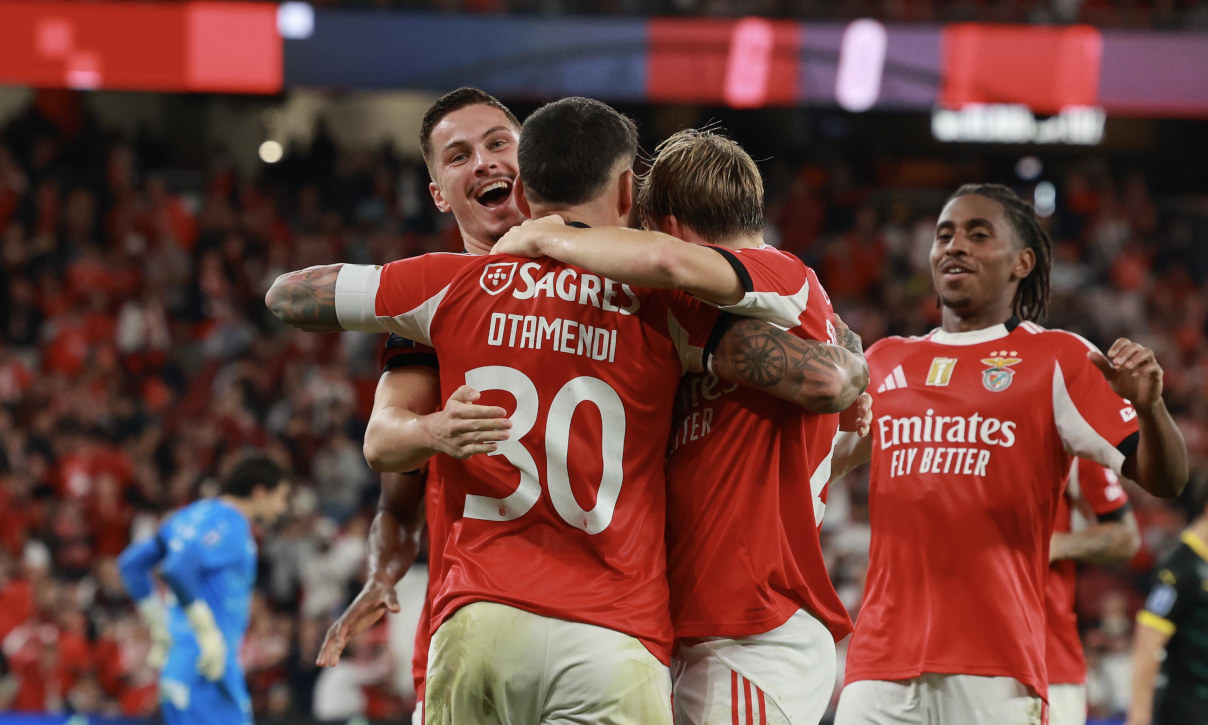
The results are starting to speak volumes: an unbeaten domestic streak with a defensive record that saw Benfica keep clean sheet after clean sheet. On paper, the transformation appeared complete.
Beneath the Surface
Yet the reality proves more nuanced than statistics suggest. Media reports and insider observations point to a squad still finding its rhythm under Mourinho's demanding regime. Some tactical rigidity persists, and players continue navigating the mental adjustment required to meet his exacting standards.
The pressure cooker environment, balancing domestic dominance with European aspirations while operating under institutional uncertainty, takes its psychological toll. Team cohesion continues evolving, with players learning to internalize Mourinho's methods while maintaining the confidence necessary for elite performance. The results may be arriving, but the journey toward a fully realized Mourinho side remains incomplete.
Tomorrow's Reckoning
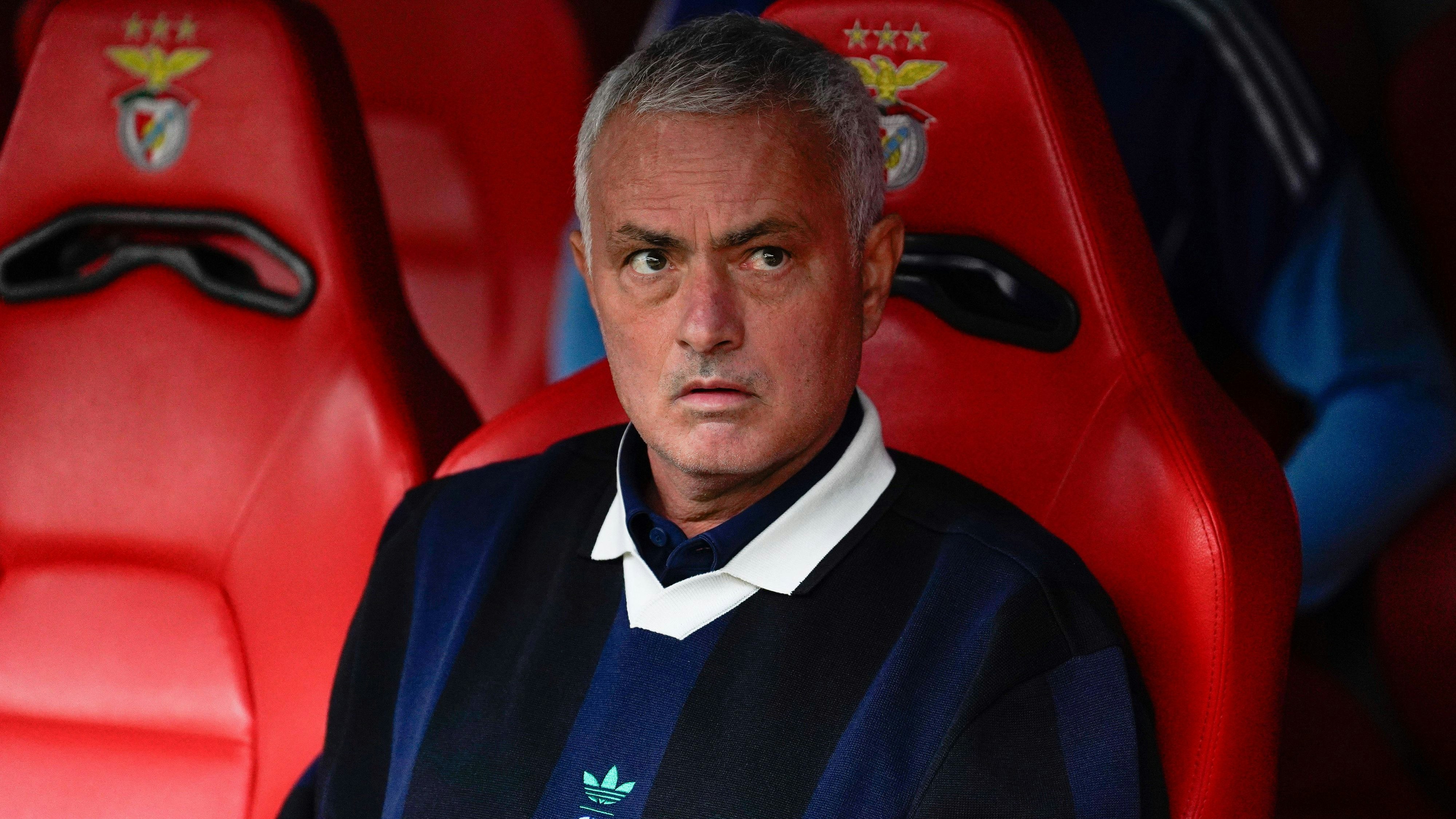
Benfica's Champions League fixture against Bayer Leverkusen tomorrow represents a pivotal moment in this transformation narrative. The match carries particular intrigue due to Alejandro Grimaldo, Leverkusen's offensive catalyst, who spent years mastering his craft at Benfica. His intimate understanding of Portuguese football and potential knowledge of Benfica's tactical patterns add a fascinating dimension to the tactical chess match.

Mourinho's preparation will need to be meticulous. Leverkusen's dynamic attack thrives in transition, precisely the scenarios where defensive discipline proves most crucial. Grimaldo's ability to influence matches from wide positions means Benfica must balance their own attacking ambitions with the defensive organization necessary to neutralize his threat.
This fixture embodies everything Mourinho's appointment promised: a test of defensive discipline, tactical flexibility, and the psychological resilience he's worked to instill throughout this transformative period. Victory would validate the project's direction and send a statement across European football. Defeat might raise uncomfortable questions about whether Mourinho's methods can truly elevate Benfica to continental contention.
As the match approaches, one truth emerges clearly: Benfica's season, and perhaps Mourinho's legacy, will be defined not by the chaos that preceded his arrival, but by his ability to forge order, identity, and success from the fragments of a fractured campaign.
